Lessons from two e-commerce panels on winning and keeping customers with email, SMS and WhatsApp.
Most e-commerce brands pour their energy into the advert and how much each click costs. Then the visitor lands on the site, has a look around and leaves.
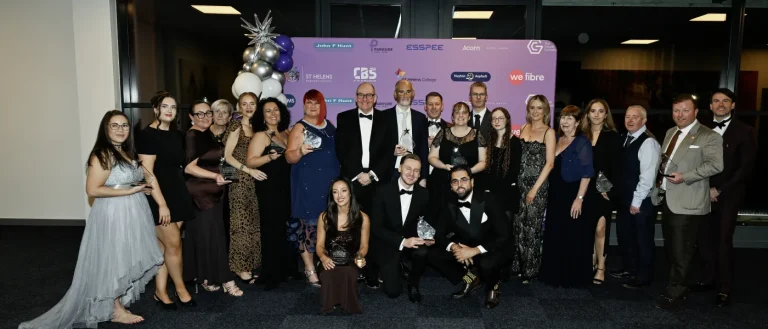
Last week we sat in on two panels at an e-commerce meetup. The first was about winning new customers with email, SMS and WhatsApp. The second was about keeping them. The speakers ran very different businesses, from a fast-growing home fragrance brand to a B2B distributor and a London occasion-wear label, and they kept arriving at the same place.
For the brands winning customers at a profit, what happens after the click got as much care as the advert itself.
Below are the ideas we took away, with what they mean for your website. The figures are as the speakers gave them on the day.
1. The 10% off pop-up has had its day
Plenty of online shops still greet visitors with a box offering 10% off the first order in exchange for an email address.
According to the director of a PPC and SEO agency on the panel, it worked three or four years ago because it was new. Now people close it, then go hunting for it at checkout. The generic code ends up on HotUKDeals and Reddit anyway. Across his Shopify clients, unique codes get far more use than a single public one.
It’s also expensive. By his arithmetic, 20% off a product with a 40% margin wipes out half your profit.
The founder of the home fragrance brand doesn’t avoid discounts. He avoids giving away extra ones. His pop-up restates the offer already on the site, so a core bundle is framed as “save £38” and nothing new is given away. He builds offers from the product the customer came for, free items stacked on top, a strong guarantee and a name that has been tested. A free product works better than a discount because it feels more.
Giving discounts away, he told the room, is “clumsy and lazy”.
2. What about the 98% who don’t buy?
If your site converts at 2%, then 98 out of every 100 visitors leave without buying. Most of them have already seen your adverts and visited before.
The agency director’s view is that getting even 10-20% of those people onto email, SMS or a WhatsApp conversation is where the real value sits.
The fragrance brand has built its sign-up around them. Its opt-in pop-up asks one question with five possible answers. The answer decides which landing page the visitor sees, so the page matches what they said they care about. Only then does it ask for an email address and phone number.
That pop-up converts at about 18-19% and adds roughly 1,000 subscribers a day. Anyone who says no sees a second pop-up 60 seconds later, which adds around 200 more. Behind it sit abandoned browse, basket and checkout flows, each running for about a week and set up so nobody gets two at once.
Payback on a new customer used to take well over 100 days. Now the brand makes a profit on the first order, and the founder puts that down to the system more than the adverts.
3. Your welcome emails stop far too soon
Most welcome flows run for a week or two. The fragrance brand looked at how long its subscribers actually took to make a first purchase.
About 9% bought in week one and 5% in week two. After that, between 0.6% and 1% bought every week, and the line was still flat at week 16. Because each week’s sign-ups stack on top of the last, a big share of any week’s first orders come from people who joined months earlier.
So the team is stretching its welcome flow from 14 days to around six months, split into two-week blocks that each test different products and messages.
The same thinking applies after the first order. As the host of the second panel put it, a “thank you for your order” email is not a post-purchase sequence. Work out the typical gap between a customer’s first and fifth orders and make your follow-up last that long.
4. Give each channel one job
Email still does most of the work. For a CBD brand on the second panel, automated email flows bring in about 80% of email revenue.
WhatsApp is different. It sits next to your family group chat, so it has to be earned. The partnership director of a WhatsApp marketing platform suggested starting with the one message everyone is glad to get, “your order has been dispatched”. He said it cuts customer service tickets by 30-50% (his platform sells WhatsApp, so treat that as a best case). When the CBD brand started with dispatch messages, not one person unsubscribed.
After that, go slowly. Tips on using the product come first, and selling comes much later. Direct mail, meanwhile, is how the CBD brand reaches the people with thousands of unread emails.
SMS split the room. The fragrance founder makes around £3,500 a day from a daily text in the first week of his welcome flow. The B2B speaker would avoid it. The agency director rarely sees it work before a first purchase. The CBD brand can’t use it at all because of regulation. It depends on the business, so it’s worth testing rather than assuming.
If WhatsApp is on your radar, bear in mind that SMS consent doesn’t cover it. Your sign-up forms need to name WhatsApp specifically. New business accounts are also capped at around 250 messages a day, rising as your quality score improves, so you can’t blast a list on Black Friday if you’ve never used the channel. Start collecting consent now, even if you won’t use it until next year.
5. People buy from people
The global head of e-commerce at a B2B distributor came at it from the trade side. His customers place orders of about €600 on average and are worth around €4,000 over time. That’s enough to pay for a person.
So new prospects get a call from a customer development manager. Every follow-up then comes from that named person, along the lines of “good to speak earlier”, rather than from the brand. That’s where conversion really rose.
When architects and interior designers were converting about 20% below average, the team built a microsite for them, cut the registration form to the essentials, offered a free pack of samples and handed every new sign-up to a specialist who carried on the conversation over WhatsApp.
The agency director’s version came from a commemorative coin company. Its adverts offered a free coin. The coin cost about £2, the customer paid £2.50 postage and the Google Ads cost was about £4 per customer. That £2.50 did the qualifying: when delivery was free, nobody went any further. A text or email told customers to expect a call. The coin arrived in a folder with empty slots, and more than half signed up for a £20-a-month subscription to fill them.
The agency director’s own lesson was that relationship selling works with consumers too. The empty folder made the next step obvious, which is why the free coin paid for itself.
6. The second order is the one that counts
Both panels named the same priority: turning first-time buyers into repeat buyers.
An email and loyalty consultant on the second panel said most brands do a brilliant job of winning the first purchase and put far less energy into what comes after. Most one-time buyers never return. But once someone orders a second time, the chance of a third rises sharply, and it keeps rising.
The co-founder of the occasion-wear brand has seen the other side of this. Last year her brand skipped Black Friday entirely to protect its full-price positioning. It took about three orders that month, even with extra ad spend. Her view now is that discounts are a fine way to win customers, as long as your pricing is planned for them and you have a way to bring those buyers back at full price within a few months.
We’d add one caution. Planning prices for a sale is sensible. Inventing a higher “was” price to make a discount look bigger is not, and UK consumer law treats a misleading reference price as an unfair commercial practice.
What this means for your website
Almost all of this lives on your website. If you sell online, it’s worth checking whether your site has:
- an opt-in that asks one useful question and sends people to a page that matches their answer
- a second chance for visitors who say no the first time
- separate, unticked consent boxes for email, SMS and WhatsApp
- unique discount codes for each subscriber instead of one public code
- offer messaging that restates the deals you already run
- post-purchase messages planned from day one: a dispatch notice, a how-to before delivery and a reason to come back
- for trade sites, a short registration form and a named person who follows up new accounts
Final thoughts
Advertising isn’t getting any cheaper. Meta prices keep rising, Google clicks cost more and AI summaries mean fewer people click through at all. Every visitor you pay for is worth more than they used to be.
The ideas that came up most were unglamorous ones, like a welcome flow that runs for months or a dispatch message sent before any sales pitch. Few of them needed new technology.
If you’d like someone to look over how your site handles sign-ups and repeat orders, let’s talk.